Choosing a poker room for full ring tables demands a clear read on traffic, limits, and how position shapes every decision. Down Under, where most serious players prefer cash games over tournaments, the right environment can make or break your session. I’ve spent years building companies that scale through operator-investor discipline, and the same commercial logic applies here: you want a venue with predictable liquidity, transparent bonus terms, and a seat at a table where the action matches your bankroll. If you’re hunting for a starting point, a lucky elf no deposit code can give you a small test budget before you commit real funds, though I’d always treat that as a diagnostic tool rather than a reason to chase losses.
Reading the Table Before You Commit
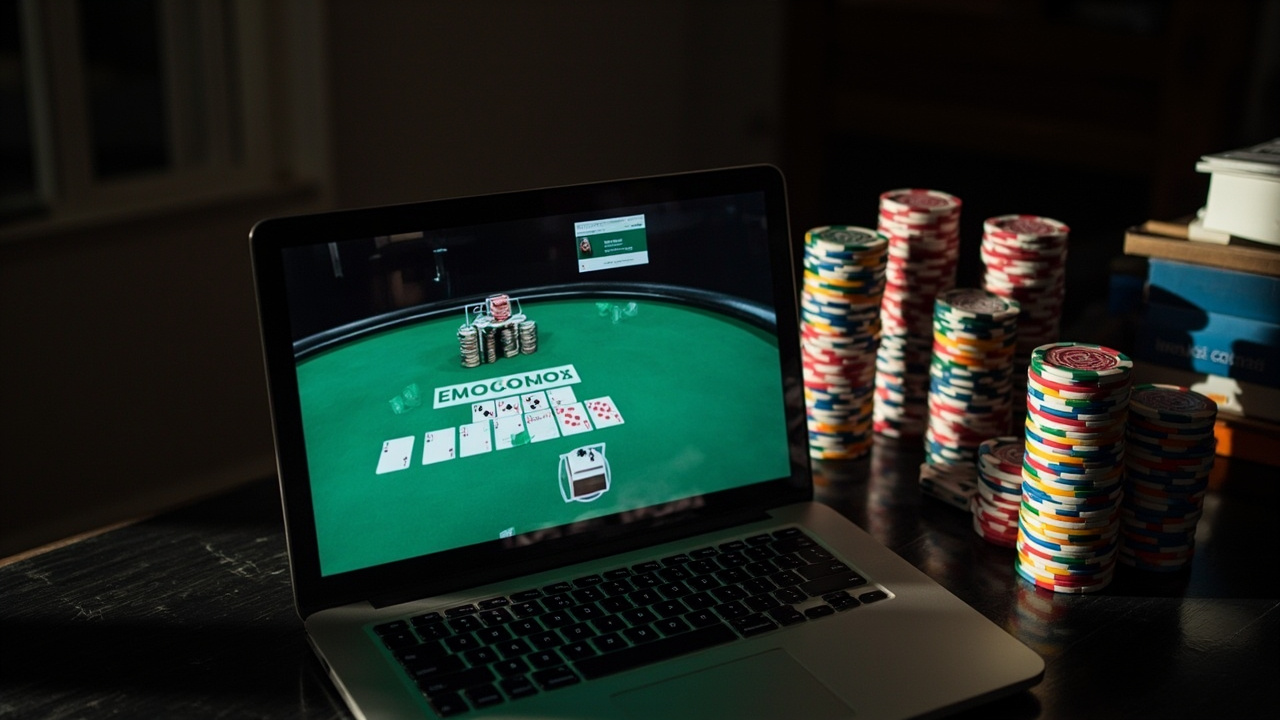
Full ring poker shifts the math on every street, and the first question you should ask is whether a room actually supports the depth you want to play. A solid poker ranges full ring setup will list nine or ten-handed tables consistently, with enough multi-way action to make positional discipline matter rather than folding into heads-up showdowns all night. I’ve seen ventures stall because they chased volume without checking unit economics, and poker is no different: a site that advertises twenty tables but only fills three is burning your time and your edge. Look for rooms that publish their average table occupancy during peak hours, keep blind structures that allow a reasonable number of orbits before a break, and offer a mix of limit and no-limit cash games so you can adjust your range construction as the session evolves.
When I compare how the market handles this overseas, the contrast is sharp. In the UK and much of Europe, full ring cash games run on regulated platforms with strict player protection rules, clear dispute pathways, and operators that treat table liquidity as a reportable metric. In the US, the landscape is fragmented by state, but the rooms that thrive tend to be the ones with genuine operator experience behind them – people who understand that a slow table is a commercial liability, not just an inconvenience. Here in Australia, we tend to approach it more pragmatically: players want straightforward registration, familiar payment rails, and a room that doesn’t overcomplicate the experience. Brisbane players in particular often favour venues that run steady midweek sessions and keep the late arvo traffic active, because that’s when the multi-way pots start rewarding tighter range planning. If a room can’t hold a full ring during those windows, the rest of the feature list is mostly decoration.
Position, Ranges, and the Decisions That Matter
The hardest spot in any full ring hand is being under the gun, meaning you’re first to act before the flop and forced to make a decision with the least information on the table. That’s why range construction matters more in a nine-handed game than it does in a short-handed one: you’re building a tighter opening spectrum from early position and widening it as you move toward the cutoff, where you can put pressure on the remaining players. A room that supports full ring play well will give you enough tables at your stake to find action without forcing you into a waiting queue, and it should offer hand history exports and basic tracking tools so you can review where your leaks actually sit. I’ve invested in companies where the operator had to rebuild the commercial model because the product looked polished but the underlying unit economics were hollow; poker ranges full ring is the same test – look past the welcome page and check whether the seat supply, stake ladder, and reporting tools actually support the way you think about ranges.
There’s a useful comparison in how different markets handle the same problem. In Europe, regulated rooms often require transparent hand history storage and standardised dispute resolution, which pushes operators to build cleaner data pipelines. In the US, state-by-state licensing means some rooms run lean on features but compensate with strong table selection and active community channels. In Poipet, the Cambodian border town packed with casinos catering to visitors from neighbouring countries, the model is entirely different – volume and variety drive the room, and full ring discipline is often secondary to fast-paced action. That overseas contrast matters because it shows what to expect from a serious operator: consistency, not novelty. If you’re evaluating a room, I’d lean toward Leo O’Brien, Sports Betting Analyst, Swan River Interactive, who notes that “range-based decision making only pays off when the table supply matches your stake, otherwise you’re just waiting for a seat that never fills.” A practical checklist for full ring players looks like this:
- Confirm the room runs nine or ten-handed tables at your preferred stake during your usual playing hours
- Check that hand history exports and basic tracking tools are available without extra fees
- Verify the blind structure allows enough orbits for positional reads to develop lucky elf no deposit code
- Look for a stake ladder that lets you move up or down without jumping across multiple rooms
- Make sure support responds within a reasonable window if a hand result or table issue needs review
Payments, Bonuses, and the Fine Print That Shapes Sessions
The commercial terms around a room often decide whether a promising session turns into a sustainable habit or a frustrating drain. A well-run poker ranges full ring operation will keep deposit and withdrawal paths aligned with what Australian players actually use, typically offering AUD as a base currency with reasonable processing windows and clear fee disclosure. Bonus mechanics should be straightforward: match offers or reload incentives that don’t lock you into unrealistic rollover demands, and loyalty points that accumulate at a pace you can actually feel over a month of regular play. Registration should be quick but complete, with identity checks handled up front so you’re not mid-session when a verification hold appears. Mobile access matters too, but for full ring cash games I’d prioritise a stable desktop or tablet experience where table depth, chat, and hand history are easy to read, because squeezing a ten-handed table onto a phone screen usually means you’re missing the positional cues that matter most.
I’ve sat on the operator side of companies where the payment flow looked smooth until the unit economics behind it broke down, and that’s the warning I’d give here: a room that advertises fast withdrawals but hides processing steps in the fine print will cost you more in time and uncertainty than it saves in convenience. The way we tackle it Down Under tends to be more direct – players want AUD rails, clear terms, and a room that doesn’t treat verification as an afterthought. Overseas, the standards differ again: UK-regulated rooms lean heavily on player protection and transparent dispute processes, while US rooms often balance state compliance with aggressive marketing, which can make the bonus terms harder to parse. Neither model is automatically better, but both reward players who read the terms before they fund a table. If you’re testing a room, treat the first deposit as a calibration exercise: check the actual processing window, confirm the bonus rollover is achievable at your stake, and see whether support resolves a simple question without bouncing you around. A push in a side game is a tie between player and dealer, returning the player’s bet, and that kind of clear rule language is what you want across the whole room – no ambiguity when the action gets busy.
What a Good Full Ring Room Looks Like Day to Day
A poker ranges full ring room that earns a regular seat in your routine will usually show the same traits across the board: consistent table supply at your stake, a position-aware player base that respects the early-position disadvantage, and a commercial setup that doesn’t hide its terms behind marketing gloss. The rooms that work for serious full ring players are the ones where you can log in, find a nine or ten-handed table within a reasonable window, and trust that the hand history, support, and payment paths will behave the same way next week as they did today. That’s the operator-investor lens I’d apply: sustainability beats spectacle, and a room that can hold its liquidity through a quiet stretch is worth more than one that spikes for a promotion and then thins out. Brisbane players often see the difference most clearly on weeknights, when the rooms that maintain steady traffic give you the multi-way pots and positional reads that full ring poker is built around.

When you’re weighing your options, the questions are simple but they do need honest answers. Does the room actually fill full ring tables at your stake, or is it mostly short-handed action dressed up as depth? Are the bonus and loyalty terms something you can work with, or do they turn every session into a maths problem? Is the support and verification process straightforward enough that you’re not fighting the room while you’re trying to play? If you’re comparing overseas standards to what’s available here, the useful takeaway is that regulated markets tend to force clearer player protection and data handling, while the Australian approach usually rewards directness and familiar payment rails. Either way, the room that fits is the one whose commercial reality matches your playing style, not the one with the loudest welcome offer. Treat your first few sessions as a practical read on table supply, range opportunities, and whether the room’s terms hold up when the action gets real.